What to Do If You’re a Victim of Plagiarism
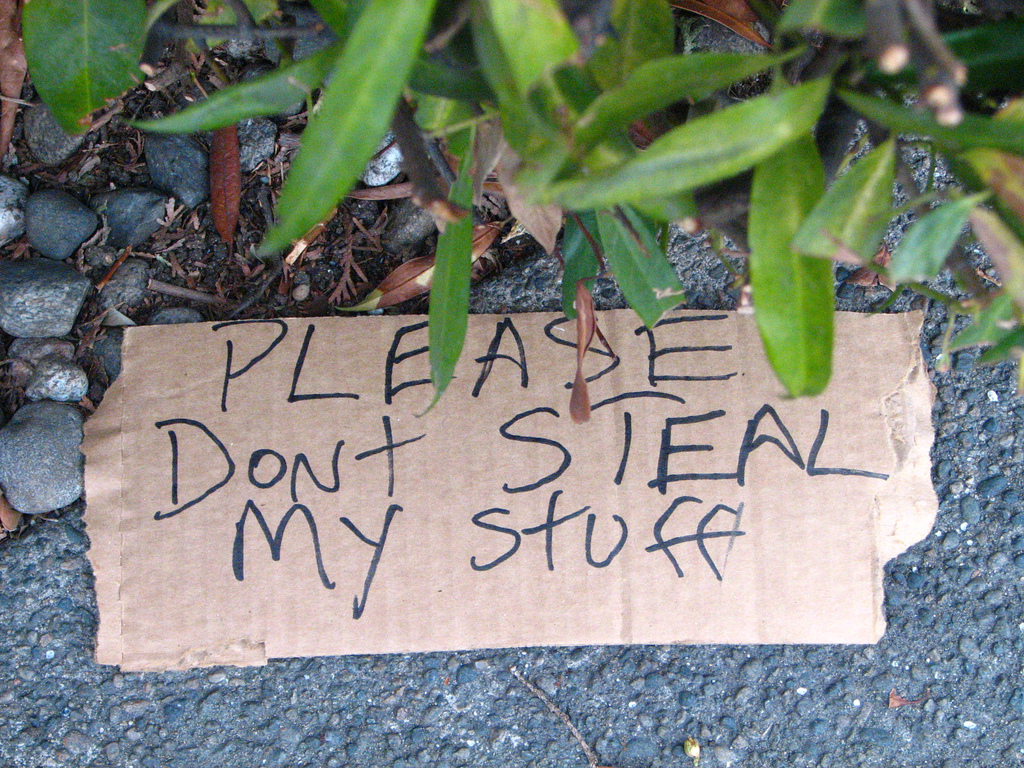
how to deal with plagiarism of your writing

You’re trawling the internet one day and you see one of your articles or blog posts posted on someone else’s website. Your byline is missing and there’s no reference back to the website where the original work was posted. Or, you’re reading a book and you notice that one section seems familiar and then it dawns on you that it’s so familiar because you wrote it. Yet there’s no citation listing you as the author. Yeah, you’ve been plagiarized. You might have a moment where this makes you secretly happy. In some ways, it’s a twisted validation of your work. Hey, my stuff was good enough to be worthy of stealing! But then you get angry. “What right does this person have to use my hard work without compensation or credit?” Answer: Absolutely none.

You can let it slide, but the plagiarist will likely just keep stealing. If not from you, from someone else. You need to take action to put a halt to this behavior (or at least make yourself a less attractive target). If you’ve been victimized, here’s what you need to do to uphold your rights.

Document the plagiarism

This is especially important in cases of online plagiarism where the content in question can be easily removed when the plagiarist senses trouble brewing. Print the page in question (keeping the headers intact), or do a screen capture of the work in question showing the URL. Keep a physical copy of the work of any books or magazines in which your work appears uncredited.

Figure out how much work was stolen

This may be time-consuming, but try entering paragraphs from several of your articles into search engines to see if you get any matches. Search through the site where you found the first offense to see if there are any others. Often a plagiarist doesn’t stop with just one piece. If you find your work on multiple domains, do a WHOIS search to determine who owns those domains. It may be that one person owns several websites and is posting your stuff on all of them thinking you won’t connect the dots.

Figure out who you’re dealing with

Are you dealing with a company, a famous blog, or an individual? If the piece in question has been posted on a large company website or a famous blog, you may have more recourse simply because the company isn’t going to want to have their reputation sullied by accusations of plagiarism. The owners of the website will likely be responsive to your request for compensation and will probably go after the author. At the very least they’ll remove the work in question.

If you’re dealing with an individual who simply lifted your stuff for their personal blog, you’re probably dealing with someone who does not have the money to pay out on any claims. And the person may be a jerk who tries to claim that you are actually the thief (more on this below). The best you may hope for is an apology and the removal of your work. You’ll be lucky to get any other compensation.

Contact the appropriate person

If your work is posted on a large website or in a book/magazine, you need to contact the publisher, not the author. The author will do nothing to help you and may try to hinder you by reverse-claiming you as the plagiarist. Contact the publisher and demonstrate proof that your work has been stolen. If you’re dealing with an individual, you have no choice but to contact them directly. They may be apologetic, or they may want to fight. You have to decide how hard you’re willing to fight if it comes to that. In either case, send the contact person a cease and desist letter, along with an invoice (if appropriate) and details about what you expect them to do next (remove the content, pay up, stop printing books, etc.). Send all correspondence by certified mail, if you can, since this will provide a record of your contact.

Figure out what you want

Is it enough that the offending content is simply removed from the site, or do you want monetary compensation? Will a link back to your original article suffice? Do you want the publisher to immediately cease and desist printing books that contain your content? Tell the contact person what remedy you want. If you want to be paid for your work, you can try submitting an invoice with your initial communication demanding your standard fee. Sometimes that’s enough to scare an individual into paying up or at least removing the content.

Be willing to negotiate

If the person can’t afford to pay you, consider other remedies such as a public apology posted on their site. If the site gets relatively heavy traffic, you can ask that they post a link back to your original site in the apology or in the purloined content. That may bring in enough visitors to act as compensation for your work.

Go to the web host and/or search engines

If you’re not getting help any other way, report the offender to the company that hosts their website and/or request removal from search engines. Website hosting companies and search engines fear getting sued for hosting stolen content, so they may be willing to help you.

Lawyer up only as a last resort (and only if it’s worth it)

A lawyer is expensive and should only be invoked after everything else has failed. And only if they can do anything for you. If you’re fighting with an individual, the chances are good that you would pay more in legal fees than you could ever recover from the plagiarist. Even if you get them to agree to pay you for the work, that amount will likely pale in comparison to your legal costs. You might make a point, but you have to determine whether making that point is worth it financially to you. If you’re dealing with a company, however, a lawyer may be able to recover significant damages for you. Talk to a reputable attorney and see what they say.

Keep records

Keep records of any and all contact with the plagiarist or publishers. You’ll need it if you have to escalate your efforts beyond the first contact point, or if you get a lawyer involved and you have to go to court.

Contact your network

If you have a network of other writers that you know (either online or in real life), alert them to the plagiarism. They may want to check to make sure that your plagiarist isn’t stealing their stuff, too. If several of you are affected by the same plagiarist, you can band together as a group and you may get better results than if you each approach the thief individually. If you want to pursue legal action, splitting the legal fees can make such action a more appealing option than going it alone.

Plagiarism is serious business. Reputable companies and websites will be horrified to learn that they are posting stolen content and will likely do all they can to get it removed and punish the plagiarist. It can be harder to get any resolution from an individual, but it may still be worth it to simply let them know that you know what they’re doing. It may not stop their activities entirely, but they may remove you from their target list.

(Photo courtesy of Dave O)

12 Things NOT to Include in a Query Letter

how to write a query letter

If you want to be published in a magazine or by a traditional book publisher, the chances are that you’ll have to submit a query letter at some point. At its most basic, a query letter is simply a letter that details your project and your writing credentials to a prospective editor, agent, or publisher. Yet the query letter is a source of great angst for writers because it is often the only piece of information that a gatekeeper will see before either rejecting your work or asking to see more. When one piece of paper controls that much of your destiny, the pressure to get it right is enormous. It’s the first step on your way to getting to submit your work.

Tons of books and online resources exist to help you write the perfect letter. However, in addition to the things that you should do, there are plenty of things you need to avoid, as well. Here are twelve things that you should never put in a query letter unless a fast rejection is your goal.

Mistakes

This is the first contact that an editor or agent has with your work. If it’s riddled with typos and grammatical errors, they aren’t going to take a chance on anything more from you because you’ve already demonstrated that you are not capable of submitting error-free work. Proofread, rewrite, and polish that letter until it’s perfect, and then have someone else (or several someones) read it, too, to make certain that you’re not overlooking something. You want your letter to show you as a competent, careful writer, not as someone who dashes off stuff and submits it without a care. You always want to be improving your writing skills.

Gifts or bribes

Writers will sometimes include items like tickets to shows, homemade items, or even money in an effort to get an agent or editor to look at their work. This strategy will always fail. First, it’s unethical for an editor or agent to accept any sort of gift or bribe. Even if they accepted the gift and swore that it didn’t influence their decision about your work, the perception would be there, should word of the transaction get out. (And publishing is a small world, so word would get out!) A reputable agent or publishing house would not risk their reputation by accepting any sort of “gift.” Second, since they aren’t accepting it, it becomes something for them to deal with, either by returning it to you or throwing it away. See number 9, below, for more about why agents and editors don’t want extra “stuff.”

Anything that reveals your stalker tendencies

It’s recommended that you mention in your letter where you heard about the agent or editor, or any personal contact you may have had, such as a meeting at a conference. What isn’t recommended is that you mention that you know the person has three kids, that they go to such-and-such church, and that you know that their family went to Barbados last year. If you Google the agent or check up on them on Facebook, keep your findings to yourself. Keep any mention of what you know about the agent or editor to the professional realm, only.

Arrogance

Yes, you should give the agent or editor some clue about where your work fits into the marketplace. If it’s similar to a certain successful work, or if it combines elements from two or more successful works, it’s okay to mention that briefly. What’s not okay is to talk about how your book will be the next bestseller, how it will outsell anything by J.K. Rowling, or how it will make millions for you and anyone lucky enough to publish your work. Keep it real, please. If you’re this arrogant and unrealistic in the query letter, the agent or editor is already thinking that working with you will be too much trouble.

“Over the top” language

You want to avoid all “over the top” language, cuteness, rudeness, or crudeness just to get attention. Your book or article may rely on crude humor, bad language, or a unique voice and you want that to show through in your letter. A little of this can be fine if it is truly needed to represent your work and if it is handled well. But when you resort to this type of language and/or style in an effort to shock or get attention, it will fail. If your whole letter is nothing but F-bombs, baby talk, or crude jokes with no purpose, expect to be rejected.

Your age/photo

You want your work to be judged on its own merits. That means removing yourself from the equation as much as possible. You don’t want an agent or editor to know how old you are or what you look like until they are so captivated by your work that age and looks don’t matter. Most gatekeepers will disavow that age or looks sway their decision but bias, even if unintentional, can play a role. It’s somewhat true in our visual world that younger, better-looking, TV-worthy authors are in demand. If an editor knows how good (or bad) you would look on TV, on a book jacket, at appearances, or in a book trailer that may sway their decisions. Send only your work and don’t include any mention of your age or a photo that you think would be “perfect” on your book jacket.

Anything not relevant

When you talk about yourself and your credentials in your query letter, only mention credits and accomplishments that are relevant to the work in question. Don’t include the fact that you won your 8th-grade writing contest. Don’t list your work history unless your work is relevant to the book or article. Don’t mention your hobbies, favorite foods, movies, or books, either. Agents and editors do not care that you love Twinkie’s and Pretty Woman. They only care about the project you are pitching.

Bizarre fonts, papers, and formatting

You think you’re making your submission stand out by submitting it in a 14-point calligraphy font on hot pink paper. The agent or editor thinks you’re being annoying and hurting their eyes. Stick to the accepted conventions.

Anything not requested

Agents and editors are drowning in paper. The last thing they need from you is anything that they did not specifically request. This means no complete manuscripts or even chapters, no copies of your self-published book, no resumes, no cute drawings that would make “perfect” cover art, a DVD of your ideal book trailer, and no head shots. You may think you’re saving the agent time by making all of this available to them, but they only see more crap they have to dispose of or send back to you. Only submit what is requested. If an agent or editor wants more, they’ll ask for it.

Multiple projects

A query letter should be for one article or book. Don’t submit one letter that covers the three manuscripts you’ve got stuffed in a drawer, or the fifteen articles you’ve got on your hard drive. One letter = one project. Always.

Incomplete projects

Only query a finished manuscript or a fully fleshed out article/non-fiction book proposal that you are ready to write if given the go-ahead by an editor. No editor wants to read a fantastic query letter only to hear the writer say, “Great. I can have the completed manuscript to you in three months. Maybe four.” You’re not querying a half-baked idea here, or a book of which you’ve only written the first three chapters. You’re not feeling an editor out on whether or not you should continue with the work. You’re querying something which is complete and ready to go, or you need to wait until it is.

Anything personal about you

I’ve already mentioned that you shouldn’t include a photo or mention anything irrelevant in your query letter, but you should refrain from mentioning any other personal information, as well. You may think you’re “bonding” with the agent if you tell him or her that you have three dogs or that you volunteer at a hospice. You may think you’re gaining a sympathy vote if you mention your spouse’s recent death and lack of life insurance, or if you mention that you are disabled. Agents and editors aren’t cold, unfeeling people, but the bottom line is that they do not need to know these things about you. Mentioning things like hobbies or pets only takes up valuable space in a letter that needs to be as brief as possible. Worse, mentioning things like disabilities or tragedies brings up the bias argument again and a gatekeeper will likely steer clear to avoid the perception that their decision was somehow influenced by your tragedy. Talk only about your project and leave out anything personal.

A query letter is a professional introduction of your work to an agent or editor. As such, it needs to be kept professional in both tone and appearance. It is not a place to showcase your “creativity” or lifestyle choices. It’s not a place to expound upon your literary greatness or to discuss all the things that you and the agent have in common. Since it shouldn’t be longer than one page, typed, single spaced, and in 12-point font, you have limited real estate with which to work. Make every sentence count and don’t waste them on things that are not relevant or which may actually hurt your chances.

(Photo courtesy of Andy)

23 Ways Writers Alienate Clients, Publishers, Editors, and Agents

How writers alienate clients and plublishers

Being a writer isn’t usually thought of as a job that annoys and alienates other people. It’s not like you’re a telemarketer. But it’s entirely possible to so annoy and anger your clients, publishers, agents, and editors to a degree that they will never want to work with you again. Obviously, this is not the way to create a productive writing career. Here are twenty-three things you don’t want to do if you want to be successful and keep happy clients and associates.

Don’t follow directions

If you are told to keep a piece to a certain word count, do it. If you’re told to format a work a certain way, do it. If you’re told to turn in drafts at certain points during the project, do it. Clients and editors have these rules for a reason. You are not allowed to go against them just because you feel like it, or because you’re artistically inspired to do so. If you have a genuinely good reason for wanting to go against their directions, ask first. Don’t just do it and assume it will be okay. It won’t.

Miss your deadlines

Deadlines are set for a reason. The client needs the project. The magazine or book goes to the printer on a certain date. Your clients are counting on you to deliver by the deadline you’ve been given. Preferably earlier if you can manage it. Never miss a deadline. If something comes up that will make you miss the deadline, communicate that immediately and do all you can do to rectify the mess, but expect the client to be very unhappy.

Submit error-filled or incomplete work

You’re a writer. You’re the one they’re counting on to submit a clean manuscript. Errors, typos and mistakes happen, but do everything you can to make sure they don’t happen to you. Recheck everything to make sure you’ve included everything the client asked for. If the client wanted a messy, mistake-filled project, they wouldn’t have bothered hiring a professional.

Be demanding

Agents, editors, and their interns and assistants do not work for you. They can be your partners in getting your work published, but you do not get to give them orders or make unreasonable demands. Asking your agent’s intern to make ten copies of your manuscript for your family to read is just wrong. Make them yourself. Similarly, you don’t walk into a meeting and demand coffee or a twenty percent increase in your fee. You can advise when asked and negotiate when appropriate, but being demanding and pushy will get the door slammed in your face.

Be a diva

People who throw fits when things don’t go their way, who think that they are above criticism, and who insist that their work is always perfect and does not need revision are divas. No one is perfect and everyone’s work needs touching up. Get over it and be humble. Listen to the client and take feedback constructively. Throw your fits in private, not in the client’s office.

Don’t communicate

You don’t want to communicate so much that you become annoying (see #11), but most of the time you are expected to let the client know how it’s going, especially if you are having any problems. Ask questions if something isn’t clear and let the client know if anything might prevent you from meeting a deadline.

Be impatient

Clients, agents, and publishers all have a lot of work to do. They’ll get to your submission or your invoice when they have a chance. Pestering them daily will only make them mad. Exercise some patience. If a significant amount of time goes by without hearing anything or if they haven’t contacted you after promising to do so by a certain date, then it’s okay to send a quick email or make a quick call saying, “I submitted Project X to you on such-and-such date and haven’t heard anything. I just wanted to make certain you received it or if there are any problems.”

Don’t do the assignment

If you are assigned to write an article on fly fishing, the editor does not want to receive your fabulous article on bowling instead. You write and submit what you are assigned, not what your “muse” directed to you write. There are plenty of excuses writers use not to write. Don’t fall for them, and make sure you find the time to write.

Don’t seek clarification

If you don’t think you have a good grasp of what the client wants, you need to ask for clarification. Don’t do what you think they want, make sure you know it’s what they want. Too often a writer produces a work that technically meets the assignment guidelines, but falls short of what the client envisioned for the product. This is sometimes a failure to communicate and since you can’t read minds, you need to be sure you know what the client wants. Ask and then try to get it in writing so there are no misunderstandings later.

Be financially unreasonable

Fees for most projects are negotiated up front, as are the cases where the writer can increase the fee (the client asks for more revisions than negotiated, the scope or size of the project changes, etc.). That’s the time to ask for more money if you think you’re worth it. Holding the project hostage at the end while you argue for more money isn’t cool. If you do this, you’d better have a darn good reason and be prepared to end up in court.

Be needy

Yes, you want to communicate with the client and you want to be sure that what you’re writing is going to meet their needs. But you don’t want to be the person that they just can’t get rid of. Always calling and asking about tiny things, asking for feedback and critique when it’s not appropriate, and asking for detailed explanations of rejections just screams insecurity. Editors and publishers want confident writers, not writers that require babysitting.

Be unprofessional

If you have to go to a client’s office or appear in a video chat, dress appropriately. Skip the shorts, sweats, and pajama bottoms. Speak clearly and make eye contact. Don’t mumble or use slang and curse words. Be polite to everyone you interact with, including receptionists and interns. Act like the professional you are.

Don’t know your limits

Yes, you want to be involved in the production of your book or magazine article, but things like cover art, marketing, legalese, placement within the magazine, and paper choices are best left to the professionals. Once you’ve sold your work, other professionals step in to work through their parts of the process. If you insist on butting in at every stage, you’re going to wear out your welcome. Fast. If someone asks your advice, give it quickly (without expounding at length as to why you’re such an “expert” in this area) and then shut up.

Don’t know your limits, Part II

Don’t take on work for which you are not qualified. While it’s fine to stretch a little bit, claiming to be an expert at something that you know nothing about is wrong and will only cause problems when you can’t deliver the work as promised. Don’t advertise yourself as being able to write a proposal for a multimillion dollar grant if you’ve never written a grant proposal in your life, for example. Build your skills through volunteer work or for lower profile clients before you put yourself up for big assignments.

Resort to gimmicks to get attention

Calling at odd hours, sending gifts in the mail, sending singing telegrams, writing in strange fonts or colors, or in any way trying to “stand out” is frowned upon. If you must respond to someone’s kindness, a simple thank you note will suffice.

Be immature

Getting rejected sucks, but acting like a baby, throwing a tantrum over the phone, sending hate mail, or posting your gripes on Facebook or your blog will ensure that the agent or editor will remember you and will never look at anything you send in ever again. Ever.

Call or email when you’re mad

Something hasn’t gone right with a project and you’re pissed off. Resist the urge to pick up the phone immediately. It’s in the heat of anger that things are said that can’t be taken back and which aren’t even rational. Cool off, think the situation through, and then call or email. It may really be the client’s fault, but venting your anger all over the place isn’t going to help.

Outsource without permission

If you’ve taken on too much work, it can be tempting to ask a friend to help you out and write a couple of articles or chapters for you. But there are problems. First, your contract may prohibit this and there can be consequences if you’re caught. Second, the other person may not do professional work and you could be stuck with the bad rap. Third, this practice gives the impression that you don’t care about the client enough to pay attention to their project and that you are too disorganized to handle your workload.

Plagiarize

It doesn’t matter how strapped for time you are, or how unreasonable the client may be. Stealing another writer’s work is just wrong. And on the same note, never submit the same work to two clients without permission. No editor wants to see that their article is exactly the same as the one their competitor ran three months ago.

Play hard to get

An agent or editor isn’t going to spend days trying to track you down. Make sure that you give working and correct phone numbers and email addresses, and that information is consistent across your letterhead, website, and business cards.

Disappear

If at any point in the project you don’t think you can continue, tell the editor. Don’t just stop returning phone calls and emails, even if you think you have a good reason. Agents and editors will remember your disappearing act.

Have loose lips

Many clients expect confidentiality. Even those that don’t specify it contractually aren’t going to be happy to see you talk about their work or see you make fun of them on your social networking profile. And be careful what you say in public, too, because you never know who is listening. Keep your mouth shut about your clients, your work for them, and anything that you learn about them while working on their projects.

Be a drunken fool

The higher your profile in the writing community, the more that drunken or foolish conduct will reflect upon you. You might be able to get away with it if you’re unknown (but I still don’t recommend it), but if your name is appearing regularly in magazines and books, you have to watch what you say and do in public. Just because you work behind a computer doesn’t mean that you are invisible. You don’t want to get out of control at parties (particularly business-related functions), post a video of your drunken striptease on Facebook, or have your sister-in-law post pictures of you kissing the waiter at your cousin’s wedding. Clients don’t like to be associated with writers who engage in bad behavior.

Publishing and the business world are much smaller than you think. It doesn’t take long for word of bad behavior to spread. If you turn in shoddy work (or turn in nothing at all), act like a diva, and make unreasonable demands, you can expect to find that getting assignments will become very difficult, if not impossible. Be professional and on your best behavior at all times. That’s the way to make money as a writer.

(Photo courtesy of hobvias sudoneighm)

11 Elements of a Successful Author Website

creating an author website

Having a web presence is almost mandatory for writers these days. Whether you write fiction, non-fiction or are a freelance writer, a website gives readers and clients a way to find you, interact with your work, and hire you for jobs. It also gives you a chance to reach out to people who might be encountering your work for the first time. As with any communications medium, you need to to make a great first impression and offer people reasons to come back. In addition to making sure that it’s free of grammatical errors and typos, here are eleven things you should consider adding to your website.

Contact information

This is the most important thing to have on your website. You want people to be able to contact you with job offers, appearance requests, and questions. If you have fans, you want to be able to interact with them. Don’t make it hard for people to find you. If you do, they’ll give up and not come back.

Appearances/Events

Let your readers know where you’ll be appearing or speaking. Use this page to keep them informed of any events you’ll be attending or organizing. Let them know of any benefits for attending such as book signings, giveaways, discounted book purchases, etc.

Purchase information

If you have anything to sell, be sure to include links. You may offer the ability to purchase directly from your website (this will require some sort of e-commerce solution), or provide links to Amazon or other retailers. Include the ISBN numbers of any books so stores can easily order them. Make it easy for people to buy your work.

A clean, consistent, professional design

Don’t clutter up your site with lots of colors, fonts, animations, and images. Don’t make every page look different. Keep it consistent. Make your navigation system easy to follow. Make the site professional-looking. Cutesy might work if you’re a children’s author, but freelancers and book writers should keep it professional. People like sites that are easy on the eyes and easy to navigate. Funky colors and fonts may make an artistic statement, but they can also make your readers crazy.

Freebies

People love free stuff. Maybe you give away a short story related to your current novel, or you put together a short guide to your non-fiction subject of interest. Maybe you give away some character background information or provide a playlist that captures the mood of your book. Post sample chapters or excerpts from your work so people can try before they buy. Think of something that your audience will want or find useful and give it away. People also love contests, so you might consider hosting one every now and then.

About/Bio/Resume

For non-fiction writers and freelancers, this will be similar to a traditional job resume detailing your experience and expertise in your field. For fiction writers, it will be a list of your publishing credits and anything that makes you qualified to write that particular story (for example, your main character is a teacher and you’ve been a teacher for fifteen years). In either case, be sure to clearly describe the types of work you offer and maybe tell a bit about your personal story or how you got into writing. Just don’t go on too long or include too much irrelevant information. You can also include some reviews/testimonials about your work. Depending on your experience and what you offer this section might be one page, or a main page with several links leading off of it.

Media/Press Kit

This makes it easier for the press to find everything they need to know about you. You can include your bio, a photo, cover images from your books, links to other interviews you’ve done, and reviews of your work. These should be downloadable documents that the media can reuse them in their own materials.

Links to your social media platforms

If you’re on social media, include links to your active platforms. This is an easy and effective way to promote your writing.

A blog

A blog doesn’t have to be something that you contribute to five times a day. You can post once a week, or every other week, as long as what you have to say is relevant and interesting. Use it to keep readers abreast of your progress on various projects, or answer fan questions. Post about your work process so people can emulate you if they wish. Post about recent experiences you had at events or signings. Keep it relevant, though. Too many posts about your dog or your garden (unless you write about dogs or gardening) will turn people off who came to learn about your work.

Information about upcoming projects

If you have books in the pipeline, give your readers a heads up about what’s coming. You may be contractually limited in what you can say, but readers always want to know what you’re working on now. Even freelance writers can let their clients know that they’re expanding into new markets or pursuing a relevant non-fiction book.

Resources

This could be a list of links to some of your research sources, ideas for book clubs, ideas for teachers (if your work is used in classrooms), links to other sites or blogs on your subject matter or which you find helpful, FAQ answers, or anything else that you think your readers will find valuable.

Not everything on this list is necessary or applicable to every type of writer. The key is to understand who your readers/clients are and the things they’re likely to be seeking at your site. A young adult author will have a very different site from a scientific author. A freelance writer’s site will look different from that of a book writer. Give your readers and clients what they want from your site in a way that’s easy to navigate and understand and you’ll be on your way to success.

(Photo courtesy of chamko rani)

Using the Sims to Facilitate Writing

Use the Sims to help with creative writing

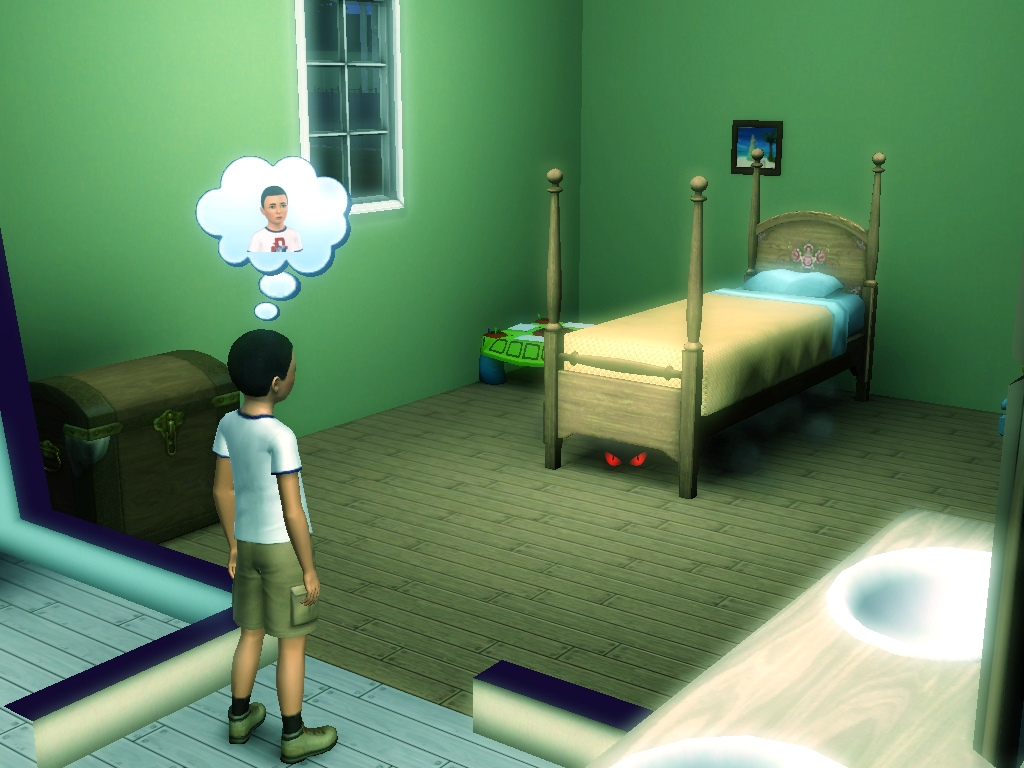
I confess: I’m a huge fan of the computer game, The Sims. I’ve played it since the first iteration and have spent an embarrassing amount of money and time on the game. It used to be a guilty pleasure until I discovered that I could use it to further my writing. I could play and work at the same time! (Well, sort of.)

The Sims lets me quickly create characters and let them live through situations (well, most of the time they live, sometimes they die) that would take me weeks of outlining to accomplish. I can experiment with various personality traits. I can give them jobs (they can even be writers), let them run their own business, keep them unemployed, or get them fired or promoted at work. They can be criminals or good guys. I can make them rich, or keep them poor. I can make them happy or mad. I can put them in relationships with other Sims (both hetero or homosexual), leave them unattached, or I can make their relationships go bust. They can even have affairs. I can give them pets or kids. Heck, in the latest iteration of the game I can even experiment with zombies, vampires, and witches and even send my Sims into the future or off to college. All of this is fodder for my creativity and stories.

More than once I’ve created a character and let them go about their business with very little assistance from me, just to see what they’d do. I’ve taken notes and used their actions and reactions in my work. If things get completely out of control, I can just exit the game without saving and go back to a time when things were better. That’s hard to do after you’ve spent a hundred pages going down the wrong path in a novel. Even better, I can save a pristine version of my character and use him or her over and over again in new games to create new stories. I can then pick the story I like best and write about it. That’s a lot easier than working through four or five stories on paper.

The Sims is a great way to spark my creativity when it’s at a low ebb. Sure, I still sit down with paper and pencil and sketch out characters and novel ideas. There are some things a computer game can never address, after all. But it is fun and different and it goes beyond just superficial details like looks and jobs. For example, I can create characters that are “made for” another character, or I can create characters that I know are going to antagonize or even hurt other characters. (These can later become supporting characters in a novel.) I can reform bad characters, or make good characters go bad. And then I can sit back and see what happens without having to slog through pages and pages only to discover that it wasn’t such a great idea after all.

I’ve even taken some of my characters and their stories and posted them to the online Sims community and let other Simmers give their input as to what the character should do next. It’s amazing what other people think of and getting their input expands my work even further. I can also take characters that others have created and add them to my game, creating even more mayhem. In a way, it’s a form of fan fiction that spills over into “real” the novels and stories that I’m working on.

Even if you don’t use it for your “serious” writing, The Sims can be a big help during NaNoWriMo (National Novel Writing Month) if you participate. When you get stuck, just boot up the game and play for a while (but not too long or you’ll waste too much time). You’ll quickly have lots of fodder for your story that will push you toward that 50,000-word goal.

If The Sims isn’t your thing, or if you need more of a fantasy element for your character creation, there are other options. There are plenty of MMORPG’s that allow you to create your own characters and situations, or you can try traditional paper and pencil role-playing games like Dungeons and Dragons or Pathfinder.

Okay, so The Sims is never going to qualify for a tax deduction as a “business related expense.” But it has helped my creativity and given me a chance to explore new characters and situations while having some fun in the process. I just have to be careful not to spend too much time with the game because then it just becomes a tool for procrastination.

(Photo courtesy of Eurritimia)

10 Common Writing Submission Mistakes

Common writing submission mistakes

Writers are sometimes their own worst enemies. We complain endlessly about being unable to get published or make money, but yet it’s often the case that we’re sabotaging our own success. Sure, sometimes you get rejected because your writing isn’t good enough. But often rejections happen because you made a mistake at the submission level and the gatekeeper turned you down before ever reading your work.

Remember that editors, agents, and hiring managers are swamped. They get tons of submissions every day. To quickly cull the pile, they look for any obvious reason to discount your submission. That may be something as simple as a misplaced comma or a misspelled name. You don’t want to go out this way. You want your recipient to at least read your work and then debate its merit, not dump you on the reject pile before the first sentence is even read. With that in mind, here are some common mistakes that writer’s make when submitting their work.

Grammatical Errors

Whenever you submit something, be it a story, letter, resume, article, or full manuscript, make certain that it is error-free. You’re asking someone to trust that you are a competent writer, yet if the first page has the word “You’re” in a situation where the word “Your” should have been used, you’re not coming across as competent. Always look to improve your writing so that there are no mistakes with it.

Submitting to the Wrong Person or Place

Don’t submit to houses or agents that don’t handle your type of work. Don’t submit to Editor A and Editor B at the same publishing house. Don’t address Mrs. Smith as Mr. Smith. (If you’re unclear on gender, a quick phone call to check is fine.) Don’t submit to the department manager if you’re supposed to go through human resources. Figure out exactly who should receive your work and send it directly to that person or department.

Mass and Blind Submissions

It’s irritating to get an email addressed to fifty agents or hiring managers. Such submissions often read, “Dear Sir or Madam,” and then proceed to describe, in very generic terms, why this person should accept your work. It’s efficient, but the problem is that your recipients don’t want to be part of a herd. They want to know why you chose them. They want to know who referred you, or to which ad you are responding. They want to know how you learned of them and why they are the best fit for your work. They want you to demonstrate that you’ve done some basic research into who they are and what they represent. Mass submissions are impersonal and only demonstrate that you know how to use the multiple recipient functions in your email program.

Failure to Follow Convention

Yes, convention can stifle creativity. However, every field has its norms that must be followed. You have to demonstrate that you understand the rules of the “club” and that you can follow them. If convention dictates that your submission be double spaced, single spacing can get you disqualified. If a certain format is required, you’d better follow it. Breaking convention won’t get you accepted, it will get you rejected.

Sending Dirty Work

No, I don’t mean pornography. I mean work that’s stained, crumpled, or torn. In this day and age of quick printing and copying, there’s no excuse for sending out anything other than pristine pages.

Looking Like a Paranoid Amateur

Many writers submit work with copyright symbols on it, or mentioning in the query letter that the submission should not be shared or forwarded for fear of idea theft. Similarly, don’t be vague about your work because you’re afraid it will be stolen. “I have a great idea, but I can’t share it with you until you commit to publication,” is ridiculous. This isn’t the way copyright works and no legitimate publisher or agent is out to steal your work. You’re only coming across as paranoid and no one wants to work with a nutcase.

Failure to Follow Directions

Send and do only what the recipient asks for. No more, no less. Send only what’s requested in only the format in which is it requested. Do not send snail mail if only email submissions are accepted, or vice versa. Doing exactly what is asked of you demonstrates that you can follow directions. To a gatekeeper, this increases the chances that you are someone they want to work with, not someone who is going to cause problems during every step of the process.

Failure to Include Contact Information

No matter how much someone likes your work, you’re going on the rejection pile if they can’t easily respond to you. They aren’t going to send a sherpa and a yak out to track you down. They don’t have time for that. Be sure to include your name, address, phone number, and email address.

Overpacking

Yes, you want your submission to arrive safely. But you don’t want to use so much tape that someone has to hack into the package to get to your work. Nor do you want to use packing peanuts that will explode all over someone’s office. Having to exert too much effort to get to your work means that the reader is already frustrated with you when they sit down to read your work. (Assuming they even bothered. Make it too difficult to get into a package and it might go in the trash unopened.) Keep the packaging to a minimum.

Failure to Properly Check Email Submissions

Email submissions are convenient, but they pose potential problems. If you’re asked to attach a file, make sure you’re attaching the correct one. No one wants to read your tax return when they thought they were getting your first chapter. If you’re using a submission page on a website, make sure you’re putting the right information into the right boxes. If you’re copying and pasting into an email or submission site, make sure you’re doing so correctly. You don’t want things to end up out of order, or discover that you pasted from the last draft of your novel when you meant to paste from the current version. Don’t use “Reply All” if you only mean to reply to one person and make certain you’ve got the correct recipient(s) in the address section. Double check everything before you hit the Send button.

You want to be judged on your work, but the only way that’s going to happen is if you successfully navigate the submission process. Think of the submission process as the first step to publication, because that’s exactly what it is. It’s time consuming and a chore to make sure everything is perfect, but that’s what the gatekeepers want to see. You won’t get past them with a half-assed effort. You’re being judged from the moment your envelope crosses their desk or the email shows up in their inbox. Be perfect.

(Photo courtesy of Aaron Davis)

Title Capitalization, Spell Check and More New Word Counter Tools

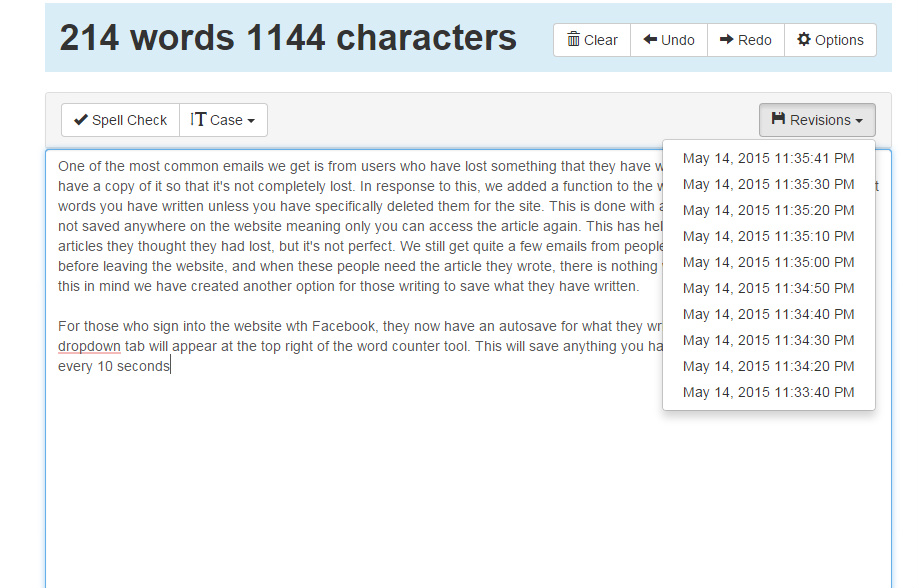
This word counter tool originally counted words, characters, and letters. As more people found it, we started to get requests of what the users would like to see added to the tool. Over the years, we have added many of these suggestions. We continue to strive to keep this tool updated and to add new features which users have requested which make word counter more beneficial to all. We recently added the following features which you can now use:

Spell and Grammar Check

We’ve added a button to the top left of the Word Counter tool which says “Spell Check” Once you have finished writing, you can click this button and a spell and grammar check will be performed on what you have written and will highlight areas of the writing that may be grammatically incorrect or have spelling issues. It’s important to note that this shouldn’t be exclusively relied upon, and as with all writing, you should proofread what you have written, but it may catch some minor errors you missed or show you an area of your writing which may be able to be more clearly rewritten.

Different Cases

There may be instances where you want to have your writing (or certain portions of your writing) displayed in a certain way. The “Case” button just to the right of the “Spell Check” button gives you four options to display your writing in different ways. There are two ways to use this. You can highlight a certain portion of your writing, and only the highlighted portion will be affected by your choice. For example, if you highlight your first paragraph and choose “Uppercase,” then only the first paragraph will be turned to upper case and the rest of the writing will remain as it was. If you choose one of the options without highlighting any of your writing, the entire writing will be formatted by the choice you made. The four choices available are:

Uppercase: WHEN YOU CHOOSE THIS OPTION, ALL WRITING WILL BE DISPLAYED IN UPPERCASE LIKE THIS. iT’S THE SAME AS PUSHING THE CAPS LOCK ON YOUR KEYBOARD.

Lowercase: when you choose this option, all writing will be displayed in lowercase like this. even after periods, the letters will all be in lowercase.

Title Case: Also referred to as title capitalization, this gives the proper way to capitalize titles for your writing, articles and blog posts. It can often get confusing which words should and shouldn’t be capitalized in the title of the paper, and by choosing this option, it will automatically give you the correct way to display it. For example, the title of this article, “Title capitalization, spell check and more new word counter tools” gets transformed to “Title Capitalization, Spell Check and More New Word Counter Tools” when the title case option is used.

Sentence Case: This options will turn all the writing to a typical sentence construction. This can be convenient if you happen to forget to capitalize after periods, or if you tried some of the other case options, but decide you want to back to normal.

Reading Level

On the right side under “Details”, there is now a section at the bottom that displays Reading Level. The reading level is calculated by using the Dale–Chall readability formula based on 3,000 common words fourth graders understand. This can be useful if you’re writing to a certain age group to make sure your writing isn’t above or below their level.

Keyword Density Options

Under “Options” (top right corner) you can now choose the number of keywords you want displayed for keyword density. The default has been 10 words, but you can choose as few or as many as you wish to fit the particular type of writing you’re doing.

If there are other tools you’d like to see added to word counter, feel free to contact us or to leave a comment. We try to continue to add and update WordCounter.net with things the users would find beneficial.

20 Helpful and Fun Products for Writers

writing tools

Most writers don’t need a whole lot to practice their trade. Once you have the basics like a computer, software, paper, and pens/pencils, (and oh, yes, space in which to write), those are the only tools you really need to be successful. That being said, there are many more products writers may find both helpful and fun. If you’re looking for a gift idea, or just looking for something that may help you in your writing life, take a look at the following list.

A Writer Tshirt

Giving a writer a fun writer Tshirt that can be proudly worn is a great way to show your support his or hers writing. It gives them the opportunity to show the world what they do with a bit of humor. If you’re not sure what to give as a gift to a writer, this is a great default.

A journal (maybe more than one)

A journal is a place where you can do your free writing, or where you can work through problems that are impacting your work. They can also be places to keep ideas and experiment with forms like poetry or lyric writing. You can have one journal for everything, or get a few and dedicate them to different types of writing.

Whiteboard (maybe more than one)

I tend to be forgetful and I tend to come up with good ideas when a pen and paper or my laptop aren’t available. Bad combination. To help, I got a couple of small whiteboards and put one in the bathroom and one in the kitchen. Now when I get a great idea in the shower or while making dinner, I can jot it down on the board. These are more water and damage resistant than electronics or paper and are great for messy environments.

Dictionary

Yes, I know the computer has a dictionary function, but many are not as robust as a large, old fashioned, print dictionary. Plus, if you’re a word nerd, there’s just something fun about looking up random words in the dictionary.

Thesaurus

See Dictionary, above. The same idea applies because most computer thesauri are not as comprehensive as their print counterparts.

Cork board

Some writers like to “storyboard” by writing or drawing elements and scenes from their books on index cards and then arranging them to see how they fit together. You can move the cards around if you think of a better arrangement. It’s a more visual form of outlining. A cork board makes this easier than laying everything out on the floor, only to have to pick it up to vacuum, or having it blow around when people walk past.

Spiral bound notebooks

During the back to school shopping season, you can find packs of four or five notebooks for less than $1. They’re great for jotting down ideas, research notes, and character descriptions. Keep one by your bed for those ideas that come to you late at night. Yes, you can use your computer or cell phone, and many people do, but I find that writing some things out longhand clarifies my thoughts more than banging away at a keyboard.

Calendar

Whether you go digital or get a wall calendar or weekly planner, a calendar is a must to keep track of deadlines and to-do’s,

Spreadsheet software

Good spreadsheet software can come in handy for creating submission trackers and expense/income spreadsheets.

Financial software or ledger

If you don’t want to use a spreadsheet to track your income and expenses, get some good financial software. At the very least, get a ledger and make sure you write everything down. It’ll make tax time much easier.

Basic grammar/style guide

The Elements of Style, by Strunk and White remains the gold standard grammar and style guide. If you are a technical writer or business writer, you may find The Chicago Manual of Style useful, as well. There are also guides for academic writers and other specialties.

Apps

There are tons of apps that you might find useful, too many to list here. There are apps for note taking, calendars, word processing, script writing, storyboarding, and many other things you might find useful. Spend some time shopping the app store for your platform of choice to see what you might find useful. There are also plenty of games to help you waste time, so shop carefully.

File cabinet and files

No matter how digital you try to be you will always have paper to file. It keeps drifting in even when you actively try to avoid it. At the least you’ll probably need a file drawer in your desk or an accordion file. At worst, you’ll need a full blown file cabinet or some banker’s boxes.

Amazon Prime membership

For $99 per year, you get free two day shipping on most things that Amazon sells. (You also get free movie rentals and book loans, but those are just perks. The real value is the shipping.) It’s so nice to be able to order ink, toner, paper, envelopes, and other supplies (plus not having to take time away from writing to go to the store) and have it on your doorstep in two days.

Digital recorder

There are apps for this, or you can buy a more old school recorder. Either way, these come in handy for recording interviews and making notes to yourself on the fly.

Lap desk

A lap desk is great to have on hand for those times when you want to write or do research on the bed or couch. It keeps your laptop from burning your legs and lets you get into a variety of positions so you can work in comfort.

Amazon gift card

This comes in handy for buying those deeply discounted Kindle books, apps, and MP3’s that Amazon sells. Having a gift card balance on your account eliminates the need to put bunches of those $1.99 or $0.99 charges on your credit card, which can get your card shut down for suspected fraud. If you have Prime, listed above, it’s also great for all those $5.00 shipments you can now order without paying for shipping.

Page flags

These are great for marking passages while researching or editing. They’re perfect for marking passages and making short notes in library or borrowed books in which you cannot make your own notes.

Personalized note cards

Yes, much of life is digital these days, but there is still something to be said for the power of a handwritten thank you note on a nice note card. They’re great for sending to agents, editors, and others who’ve taken the time to help you.

A good coffee machine

If you’re a coffee drinker, you can save a fortune by making your own instead of hitting Starbucks every day. You might like a Keurig or similar single cup coffee maker that lets you rotate through a variety of flavors (tea and hot cocoa, as well) every day. Or you might prefer a good espresso machine or a simple regular coffee maker.

Rory’s Story Cubes

These are “dice” that you roll which act as story generators. They are available in the original set, plus two newer sets that add actions and voyages to the mix. You can use them alone when you’re stumped for ideas, or play with others using the game rules that come with them. The cubes are also available as an app so you can roll on the go.

Not every product is ideal for every writer. Some prefer old-school solutions, some prefer high tech, and others like a mix. Think about how you work best and choose products the help, not hinder, you.

(Photo courtesy of John O’Nolan)

Please, Don’t Ask a Writer to…

don't ask writers to...
Plenty of people ask writers for all kinds of favors and connections. While it’s sometimes flattering to be asked, the constant deluge of requests creates problems for writers. Even lesser-known writers receive many requests to do things they just don’t have the time or inclination to do. There are a lot of people out there who think writers are fair game for all kinds of crazy requests.

Partly this over-familiarity is because writers seem so accessible. Their pictures and names are on their books, often with a little blurb about their life. They have a website where they may talk about some personal things or invite fans to comment. There’s also an element of “He made it, he should help me get a leg up in this business.” While many writers do want to be accessible and pay their success forward, they do so through carefully chosen opportunities, not by responding to demands and requests from random strangers who may or may not be insane. So, please, don’t ask a writer the following:

Read your book or screenplay

There are several reasons we don’t want to do this. First, it just takes a lot of time. If we read everything we’re asked to read, we’d never get our own work (which pays the bills) done. Second, if we criticize your work you’re going to hate us and then feel free to tell everyone on the internet what a complete asshat we were for criticizing you. If we tell you it’s great, you’re going to demand numbers 2, 4, and 8, below, taking even more of our time. Third, there may be legal reasons why we can’t read your work. We don’t want you suing us when something we write is ever so vaguely similar to your magnum opus. There are plenty of writer’s groups and workshops where you can find people to read your work.

Give you the name and number of our agent or publisher

If we do this without reading your work or knowing anything about you, then we risk angering our agents and publishers by having people submit crummy work under our referral. This is not a way to further our own career and is, in fact, a quick path to getting dumped by an agent or editor. To put you in contact with our agent/publisher would involve reading your work to make sure it’s not crap and you can see in number one, above, why you shouldn’t ask that, either.

Teach you how to write

There are plenty of classes and books to teach you how to write and most will do a far better job of it. What works for one writer may not work for you so you might as well learn on a “neutral field,” so to speak, rather than getting the specifics of what works for one person.

Ask for reviews or book blurbs

Some writing advice books trot this one out as a way to get “name brand” reviews for your work. You should just send your work to random writers and see if they’ll review it! Please don’t. Most of us don’t have the time, inclination, or legal freedom to read your work. There are only two exceptions to this rule: First, you can ask if you have some personal relationship to the writer. (For example, he was in your writing group, you took a class together, met at a conference, or your agent(s) introduced you.) Second, if the writer invites submissions on their website. Some writers are also reviewers and will invite other writers to submit items for potential review. Most won’t promise that yours will be chosen, though.

Ask us to work for free

It probably seems like writing isn’t much of a job so you probably feel no shame in asking us to write the copy for your brother’s website, or that article for the alumni magazine, and not offering us any compensation. It’s even worse if another professional or a corporation asks for a freebie. “Hey, if you could just write a few lines for our catalog we’ll give you credit in the back of the book!” The thing is, writing is work. It is a skill that should be compensated, just like any other skill. There are times when writers may work for free, but those are carefully chosen volunteer opportunities or chances to advance our careers. No matter how little time you think the job will require, trust us, it will take a lot longer and that’s more of our time down the drain. If you ask a writer to do something for you, at least offer to pay. If the writer says, “No problem, I’ll do it for free or just for the credit,” then great. But at least offer.

Ask us to help with a school assignment

Teachers often send kids out to find and interview a writer. These requests usually come under the guise of “Find someone who has the job you want,” or “Find an expert on something and interview them.” Since most writers are on the internet, we’re crazy easy to pester. While we hate to say no to little kids, if we spent time answering every kid’s questions we’d never finish anything. There are plenty of books and websites devoted to the craft of writing, specific writing types, employment opportunities for writers, and so on. There’s no need to find a specific writer to answer these questions. Any website can provide the same generalities that you’d get in response to an assignment. Now, if you’re friends with the writer you might be able to get away with this, but just blindly emailing every writer with a web presence is annoying.

Ask us to help you get a job

If we’ve worked with you before we might be willing to act as a personal reference should you survive the initial screening process for an advertised job. Most of us are not willing to call our publisher and ask if you can have an internship, or to ask our editor at the newspaper to give you your own column. We don’t know what kind of employee you are and we’re not willing to risk getting fired because you turn out to be a bonehead.

Ask us how to get published

There are plenty of books and websites dedicated to just this subject. You’re better off reading these and following industry standards than asking a writer how they did it. They may have “known someone” or done something unconventional that worked for them but which would fail miserably for you.

Ask us to edit or “polish” your work

Along with the pitfalls that come along with reading your work (see number 1, above), editing is it’s own special form of hell. Most of us don’t even like to edit our own work, let alone that of others. If you need an editor, by all means hire one, but don’t ask a writer to edit your work. You might as well be asking us to endure a root canal.

When a writer says, “No,” to these requests, people say they’re mean or cruel or just want to keep newbies out of the field. Nothing is further from the truth. The truth is simple: Writers need to write (and occasionally promote their own work) to make a living. They cannot do that if they are reading unsolicited manuscripts, looking for jobs for their cousin’s kids, or writing the neighborhood newsletter. Most writers have adopted a policy of saying, “No,” out of necessity. We don’t enjoy being the bad guy, but it’s fairer to say no to everyone than to pick and choose and then be accused of favoritism.

Writers are professionals and deserve to be treated as such. Just as you wouldn’t ask your doctor for a freebie or ask your own boss for a job for your shiftless brother-in-law, you shouldn’t ask writers (especially writers that you don’t even know) for freebies and favors.

(Photo courtesy of Nic McPhee)

>